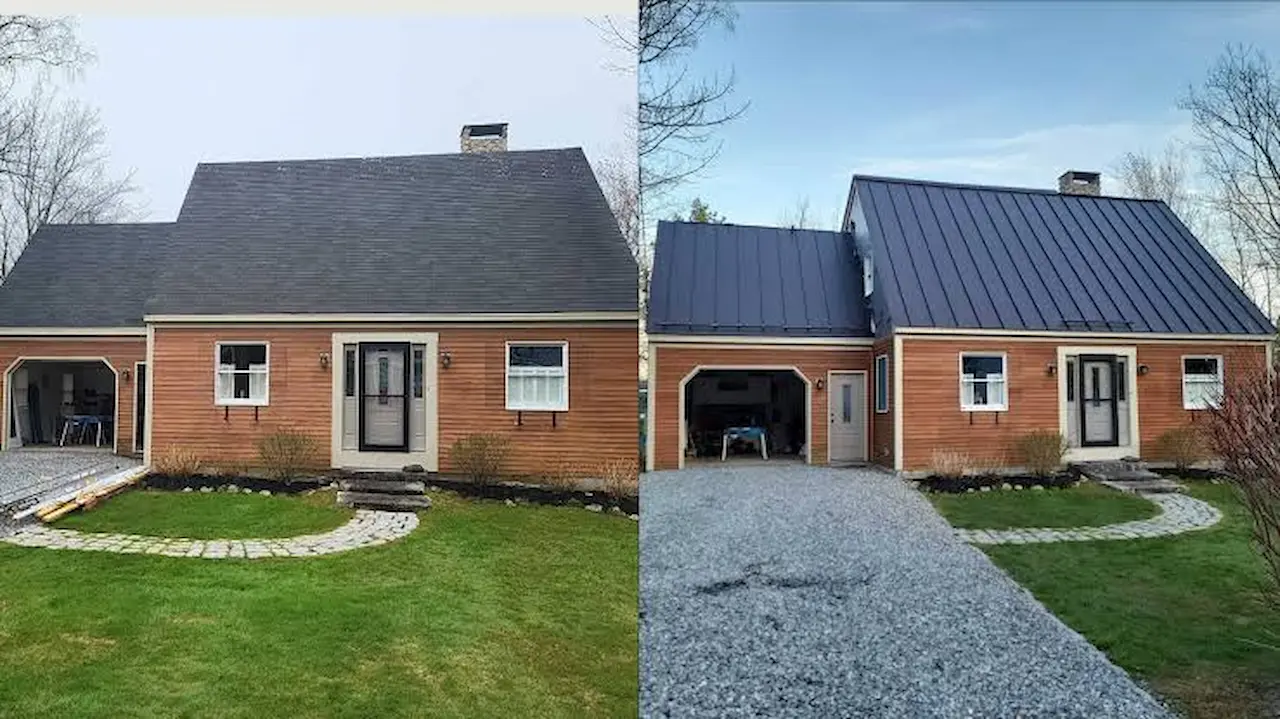
Asphalt Shingle vs. Metal vs. Flat Roofing: Which Roofing Material Is Right for Portland Weather?
Portland’s roofing challenges aren’t subtle — near-constant rain nine months a year, moss growth, occasional windstorms, and UV exposure in the summer months that breaks down lower-quality materials faster than homeowners expect. Choosing the right roofing material isn’t just an aesthetic decision; it’s a 20-50 year bet on your home’s biggest protective system.
This guide compares asphalt shingles, metal roofing, and flat roofing specifically for Pacific Northwest conditions, so you can choose based on performance — not just upfront price.
The Problem: Most Roofing Decisions Are Made on Price Alone
Roofing is one of the few home investments where the cheapest upfront option often costs more over a 20-year horizon — more frequent repairs, moss remediation, and earlier full replacement. Understanding lifespan and climate-suitability upfront prevents an expensive second decision 10-12 years down the line.
Roofing Material Comparison for Pacific Northwest Climate
| Material | Lifespan | Avg. Cost (installed) | Weather Resistance (PNW) | Maintenance |
| Asphalt Shingles | 20–30 years | $4.50 – $7/sq ft | Good; moss-prone if not maintained | Moderate (moss/algae cleaning) |
| Metal Roofing | 40–70 years | $9 – $14/sq ft | Excellent; sheds moss, handles wind well | Low |
| Flat Roofing (TPO/EPDM) | 15–25 years | $6 – $10/sq ft | Good for additions/modern builds; needs proper drainage | Moderate (drainage checks) |
Step-by-Step: How to Choose the Right Roofing Material
Step 1: Evaluate your roof pitch. Flat roofing is only appropriate for low-slope sections (additions, modern builds) — steep-pitch homes need shingle or metal.
Step 2: Factor in moss and algae exposure. Heavily shaded, tree-covered lots (common in Portland) accelerate moss growth on asphalt — metal sheds this far more effectively.
Step 3: Set your time horizon. Planning to stay 10 years? Asphalt is cost-efficient. Staying 25+ years or want a “install once” roof? Metal pays for itself.
Step 4: Check HOA or neighborhood restrictions. Some Portland-area neighborhoods restrict metal roofing for aesthetic reasons — confirm before falling in love with an option.
Step 5: Get a written quote comparing at least two material options. This makes the cost-per-year-of-lifespan comparison concrete instead of theoretical.
Real-World Example
A homeowner in Vancouver, WA was choosing between re-roofing with asphalt ($11,000) or upgrading to standing-seam metal ($19,000). On a 10-year horizon, asphalt looked cheaper. But factoring in metal’s 50+ year lifespan vs. asphalt’s 25-year average — and the fact the home is heavily tree-shaded (high moss risk) — the cost-per-year favored metal: roughly $380/year vs. asphalt’s $440/year over its full lifespan, while also avoiding a second full replacement decision in their lifetime.
Pros and Cons by Material
Asphalt Shingles
- Pros: Lowest upfront cost, wide style/color selection, easy repairs
- Cons: Shorter lifespan, more vulnerable to moss in shaded PNW lots
Metal Roofing
- Pros: Longest lifespan, excellent moss/wind resistance, energy-efficient
- Cons: Highest upfront cost, limited color options in some budget tiers
Flat Roofing (TPO/EPDM)
- Pros: Ideal for additions/modern design, lower material cost than metal
- Cons: Shorter lifespan than metal, requires proper drainage to avoid pooling/leaks
Common Mistakes Homeowners Make
- Choosing based on upfront price only, ignoring lifespan and maintenance cost
- Installing flat roofing on the wrong pitch, leading to drainage and leak issues
- Skipping moss-prevention treatment on asphalt, cutting years off its expected lifespan
- Not checking neighborhood/HOA restrictions before selecting metal
- Assuming all “metal roofing” is the same — standing-seam vs. corrugated panels vary significantly in cost and durability
FAQs
1. What’s the best roofing material for Portland’s climate?
Metal roofing typically performs best long-term due to moss resistance and durability, though asphalt shingles remain a cost-effective, reliable option for most homes.
2. Is metal roofing worth the extra cost?
Often yes, when calculated as cost-per-year over its lifespan — metal frequently outlasts asphalt 2x over, lowering long-term cost despite higher upfront price.
3. How often do asphalt shingle roofs need moss treatment in Portland?
Typically every 1-2 years in heavily shaded properties to prevent moss from shortening shingle lifespan.
4. Can flat roofing be used on a full house, not just additions?
It’s possible on low-slope homes but is most commonly used for additions, modern architectural builds, or specific sections of a roof.
5. Does metal roofing make more noise during rain?
With proper insulation and underlayment, modern metal roofing is no louder than asphalt — this was more of an issue with older, uninsulated installations.
6. How long does asphalt shingle roofing last in Portland weather?
Typically 20-25 years, sometimes less if moss isn’t regularly managed.
7. Is flat roofing prone to leaks?
Only when drainage isn’t properly engineered — quality installation with correct slope and drainage points significantly reduces this risk.
8. What roofing material adds the most resale value?
Metal roofing is increasingly viewed as a premium upgrade by buyers, particularly for its low-maintenance, long-lifespan reputation.
9. Can I mix roofing materials (e.g., metal on main roof, flat on addition)?
Yes, this is common and often the most practical approach for homes with mixed roof pitches.
10. How do I know which material is right for my specific roof?
A professional roof inspection evaluating pitch, shading, drainage, and your budget/timeline is the most reliable way to decide.
Conclusion: What to Do Next
The right roofing material for Portland weather depends on your roof’s pitch, shading, budget, and how long you plan to stay in your home — not just upfront price. Comparing lifespan-adjusted cost is the smartest way to make this decision.
Not sure which material fits your roof? Request a free roof inspection to get a written comparison based on your home’s actual conditions.