How Much Does a Home Renovation Cost in Portland, OR? A Realistic Price Breakdown
“How much will this cost?” is the first question every homeowner asks — and the hardest one to get a straight answer to. Contractors hesitate to quote without seeing the space, blogs give vague “it depends” answers, and national averages rarely account for Pacific Northwest labor and material costs.
This guide gives you real, usable numbers for home renovation cost in Portland, OR, broken down by project type, so you can budget accurately before you ever call a contractor.
Why Renovation Costs Are So Hard to Pin Down
Three factors drive most of the cost variation homeowners run into:
- Scope ambiguity — “kitchen remodel” can mean new cabinets only, or a full gut-and-rebuild
- Material tier — mid-range vs. premium finishes can shift a budget by 40-60%
- Regional labor rates — Portland and the broader Pacific Northwest typically run higher than national averages due to licensing requirements, labor demand, and cost of living
Without a structured breakdown, homeowners either underbudget (and get hit with surprises) or overbudget out of fear (and delay projects they could actually afford).
Home Renovation Cost in Portland, OR — By Project Type
| Project | Typical Cost Range | What Drives the Price |
| Kitchen remodel | $25,000 – $60,000+ | Cabinet quality, countertop material, layout changes |
| Bathroom remodel | $12,000 – $30,000 | Plumbing relocation, tile/fixture tier |
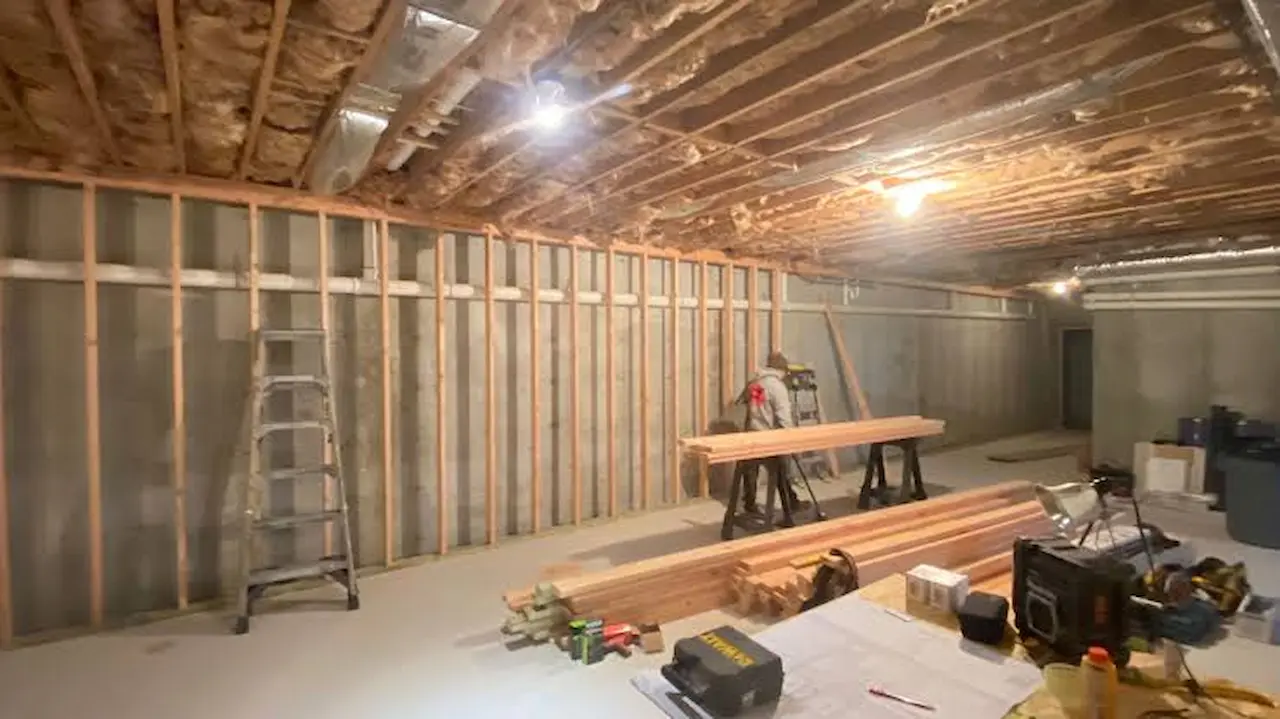
| Basement finishing | $20,000 – $50,000 | Square footage, egress requirements, finish level |
| Room addition | $40,000 – $100,000+ | Foundation work, roofline integration, permits |
| Whole-home renovation | $100 – $250 per sq ft | Structural changes, systems (electrical/plumbing) updates |
| Roof replacement | $9,000 – $20,000+ | Material (asphalt vs. metal), roof size and pitch |
These ranges reflect general Pacific Northwest market conditions and can shift based on home age, accessibility, and material selection — a fixed, written quote is always more accurate than any blog estimate.
Step-by-Step: How to Build a Realistic Renovation Budget
Step 1: Define your scope precisely. “Update the kitchen” is not a budget input. “Replace cabinets, countertops, and flooring, keep existing layout” is.
Step 2: Set a material tier upfront. Decide if you’re going builder-grade, mid-range, or premium — this single decision affects your budget more than almost anything else.
Step 3: Add a contingency buffer. Older Portland homes (pre-1970s) commonly reveal electrical, plumbing, or structural surprises once walls are opened. Budget an extra 10-15% if your home falls into this category.
Step 4: Get itemized, written quotes — not verbal estimates. Compare quotes line-by-line, not just by bottom-line number.
Step 5: Confirm what’s included vs. excluded. Permits, disposal, and project management are sometimes billed separately — make sure they’re in writing.
Real-World Example
A homeowner in Tigard wanted a “simple” kitchen update. The verbal estimate from one contractor was $22,000. Once written and itemized, it became clear that didn’t include electrical updates required for code compliance, appliance installation, or disposal fees — pushing the real number closer to $31,000.
A second, written flat fee quote came in at $33,000 — higher on paper, but it included everything, with zero added costs once work began. The “cheaper” quote ended up costing more in dollars and stress.
Pros and Cons of Budgeting by National Averages
Pros:
- Gives a fast starting reference point
- Useful for early-stage financial planning
- Helps you avoid being wildly off before getting real quotes
Cons:
- Doesn’t account for your specific home’s condition
- Regional labor costs can shift numbers significantly
- Doesn’t reflect material tier choices
- Can’t account for permit or code-compliance surprises
Common Mistakes Homeowners Make When Budgeting
- Budgeting only for materials, forgetting labor — labor is often 40-60% of total project cost
- Ignoring permit costs — required for most structural, electrical, and roofing work in Portland
- Comparing verbal estimates instead of written quotes — these are not equivalent documents
- Underestimating older home risk — homes built before 1980 frequently have outdated wiring or plumbing
- Choosing the lowest bid without checking what’s excluded — the cheapest quote is often the most incomplete one
FAQs
1. What is the average cost of a home renovation in Portland, OR?
Whole-home renovations typically run $100-$250 per square foot depending on scope, with kitchens and bathrooms representing the highest per-room investment.
2. Is it cheaper to renovate in phases or all at once?
All at once is usually more cost-efficient overall (shared labor, permits, and project management costs), but phasing helps spread out cash flow if budget is the bigger constraint.
3. Why are renovation costs higher in Portland than the national average?
Higher regional labor rates, stricter permitting requirements, and Pacific Northwest material/shipping costs typically push prices above national averages.
4. Does a renovation increase home value in Portland?
Kitchen and bathroom remodels generally offer the strongest return, though actual resale value depends on neighborhood comps and finish quality.
5. How much should I budget for unexpected costs?
A 10-15% contingency buffer is standard advice, especially for homes older than 30-40 years.
6. Are permits included in renovation cost estimates?
Not always — confirm this specifically, since permit fees can range from a few hundred to a few thousand dollars depending on project scope.
7. What’s the cheapest renovation that adds the most value?
A fresh, mid-range kitchen or bathroom update typically delivers the strongest value-to-cost ratio compared to larger structural projects.
8. How long does a typical renovation take in Portland?
Kitchens and bathrooms: 4-8 weeks. Whole-home renovations: 3-6 months, depending on scope and permitting timelines.
9. Should I get multiple quotes before starting a renovation?
Yes — 3 written, itemized quotes is the standard recommendation to accurately compare scope and pricing.
10. Does a flat fee quote cost more than a standard estimate?
The baseline number may be slightly higher, but it typically eliminates mid-project cost surprises, making total spend more predictable.
Conclusion: What to Do Next
Renovation costs in Portland vary widely, but vague budgeting is the real risk — not the renovation itself. The fastest way to get an accurate number is a written, itemized quote based on your home’s actual condition, not a national average.
If you’re ready to plan your renovation with real numbers instead of guesswork, request a free consultation for a written, transparent quote.